
GRADE 6 CURRICULUM OVERVIEW
Ages 11 - 12 years old
Grade 6 Learning Journey: Exploring Identity, Innovation, and the World around us.
In Grade 6, students learn about human anatomy, personal identity, values, and health. They explore ancient civilizations, geography, and significant historical events. They learn about different forms of communication, artistic expression, and the impact of media and technology. The curriculum covers scientific inquiry, natural phenomena, technological advancements, and specific mathematical concepts. Students study economic systems, governance, trade, and society, through the lens of conservation and biodiversity. This diverse curriculum will prepare students with a better understanding of the world around them.
01
Language Art
Writing
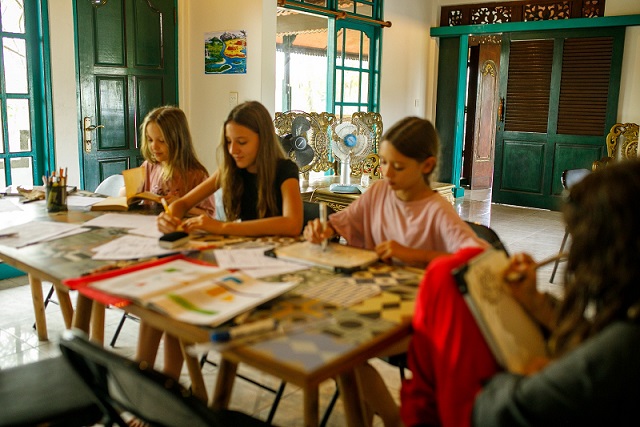
Autobiographies, Diaries, Journals, Short Stories, Explanations, Poetry, Reports, and Surveys.
Reading
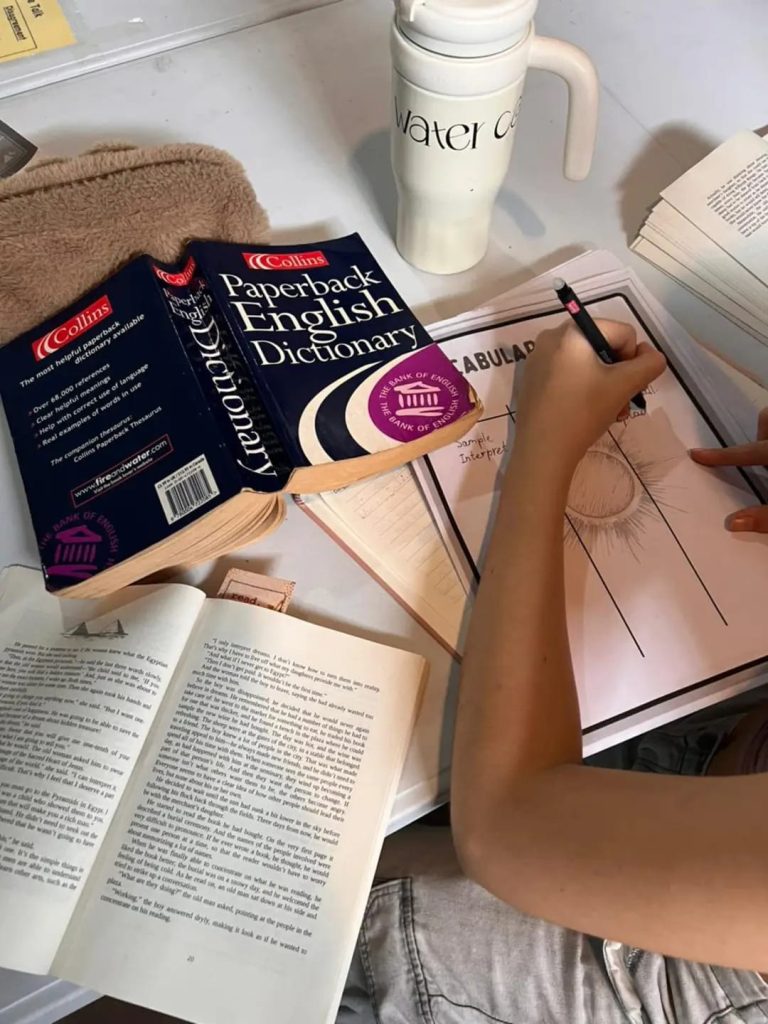
Strategies including vocabulary, spelling, understanding main ideas, creating images, inferring meaning, summarizing, and synthesizing.
Novel Studies
"Children who Dance in the Rain," "New Kid," "The Girl Who Drank the Moon," "Hidden Figures (Young Readers Edition)," "Brown Girl Dreaming," "A Long Walk To Water" and "The Alchemist".
Speaking & Listening
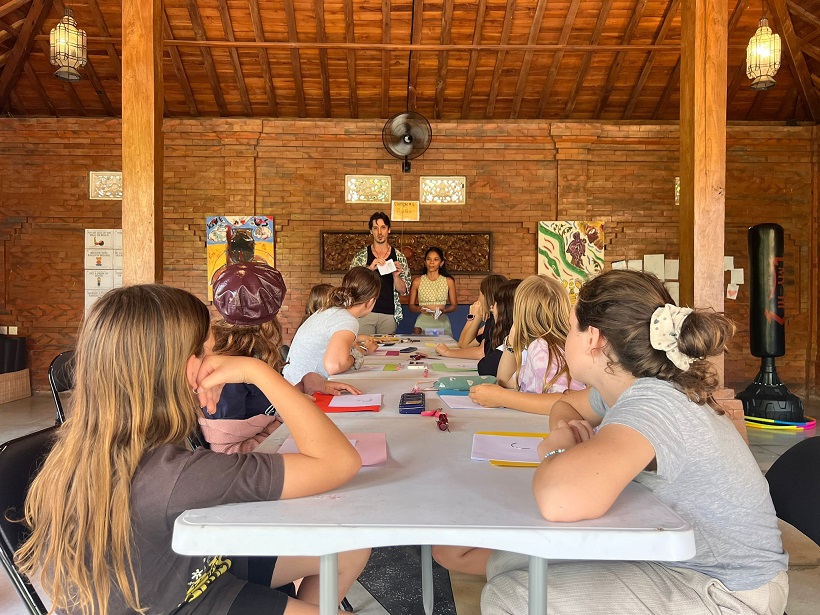
Discussions, extended conversations, storytelling, questioning, inquiry, interviews, arguments, informal debates, and spelling bees.
Viewing
Understanding intended meaning, interpreting multimodal texts, and recognizing the influence of personal experiences in writing.
02
Mathematics
- Expressions and Equations
- Rational Numbers
- Adding, Subtracting, Multiplying, and Dividing Fractions
- Area and Surface Area
- Ratios, Rates, and Percentages
- Data Sets and Distributions
03
Science
- Systems to organize information
- Movement of tectonic plates and heat transfer through convection
- Structure of atoms, periodic table, chemical bonds, and conservation of mass
- States of matter and changes in atomic structure
- Characteristics of movement and energy
- Distinguishing between types of cells and their function
- Benefits and dangers of micro-organisms
- Classification of living things and characteristics of life
04
Social Studies
Movement
Change, examining norms, values, behaviours and personal identity.
Human and natural environments
Adaptation to, and alteration of, ecosystems.
Change
Scientific and technological developments and their impact on individuals, communities and the environment.
Historical figures
People who have made an impact on human history, and what can we learn from them.
05
Entrepreneurship
Basic Business Concepts
Understanding what a business is, different types of businesses, and the basics of how businesses operate.
Idea Generation and Creativity
Learning how to add value and brainstorm ideas for products or services. Money is simply the derivative of value creation.
Marketing & Branding
Understanding the basics of marketing, how to create a brand, and ways to promote a business.
Financial Literacy
Introduction to basic financial concepts such as money management, budgeting, and simple profit and loss calculations.
06
Critical Thinking
Sharpening focus
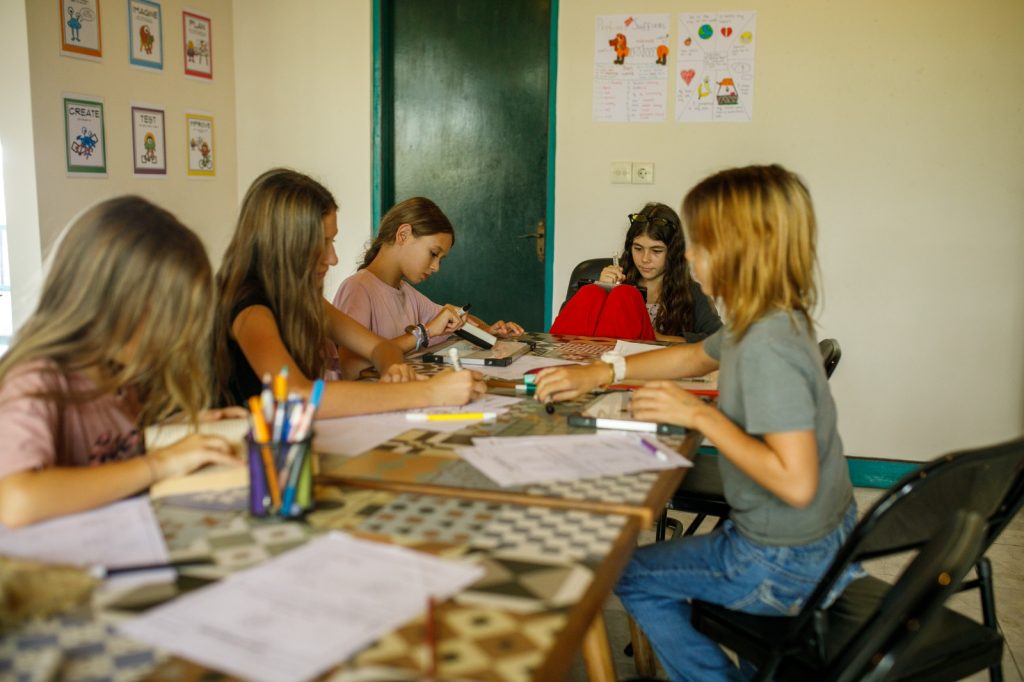
Developing logical thinking and problem-solving skills through puzzles, games, and cooperative endeavours/challenges.
Logical Problem Solving
Developing logical thinking and problem-solving skills through puzzles, games, and chores.
Digital Literacy
Gaining familiarity with basic computer operations, internet safety, and responsible use of technology.